
Build-for-Rent Is Having a Moment. We've Been Here a While

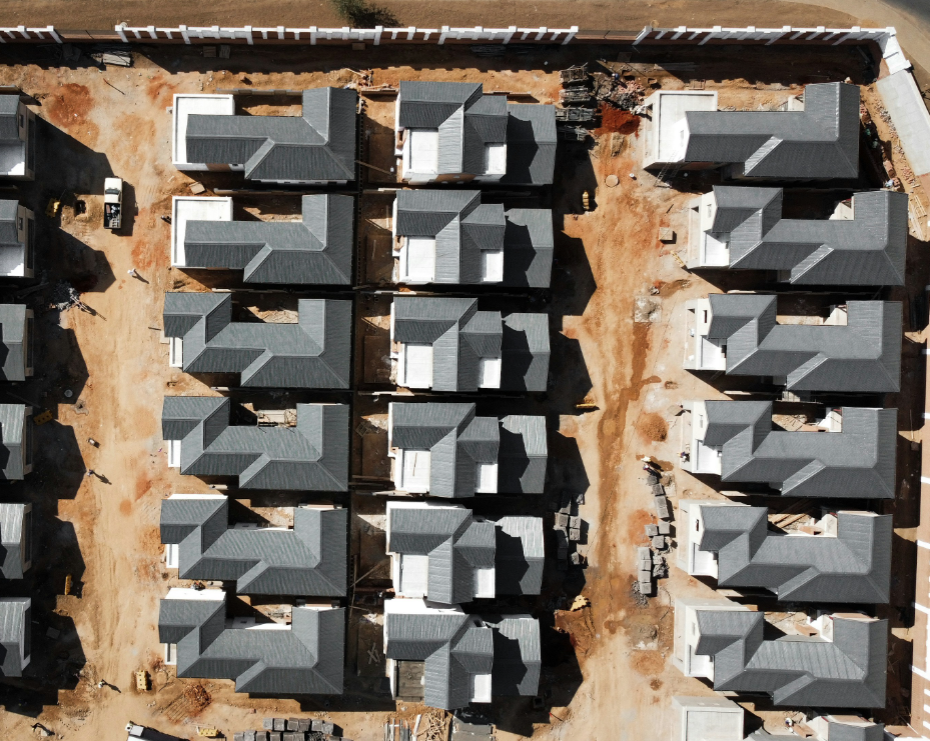
Build-for-rent is suddenly the sector everyone wants a piece of. Institutional capital is pouring in, the trade press can't stop writing about it, and Texas sits right at the center of the map. We like build-for-rent too. But not because it's trendy. We like it for reasons that have nothing to do with the headlines and everything to do with what it says about where Texans actually want to live.
The Scale of the Boom
The scale of the boom is real. More than 110,000 single-family rentals are under construction across roughly 613 purpose-built communities nationwide, a 53.5% jump in build-to-rent inventory, according to Point2Homes data reported by CRE Daily. And Texas leads the country. Once the state's current pipeline is finished, its build-to-rent inventory will climb by around 70%, per the same reporting, with something like 21,800 homes in development. The metro breakdown reads like a Texas growth map: Dallas-Fort Worth with roughly 8,500 homes, Houston near 4,600, Austin around 4,300, and San Antonio close to 3,000.
The Demand Underneath Is Durable
The demand underneath it is durable, which is what actually matters. Home prices and mortgage rates hovering above 6% have kept families renting longer than they planned, and build-to-rent gives them something apartments can't: a detached home, a yard, a garage, shared trails and green space, without the mortgage. RealPage's early-2026 read describes a sector serving both renters by choice and renters by necessity, thriving in fast-growing suburbs on the back of migration and hybrid work. Texas supplies all of that in abundance. No state income tax, relentless employer relocation, and strong household formation keep adding hundreds of thousands of new residents a year, according to figures from the Texas Demographic Center. There's also a quieter virtue worth naming: because build-to-rent adds new housing rather than buying up existing homes, it grows supply instead of competing with families trying to buy.
We Were Here Before the Capital
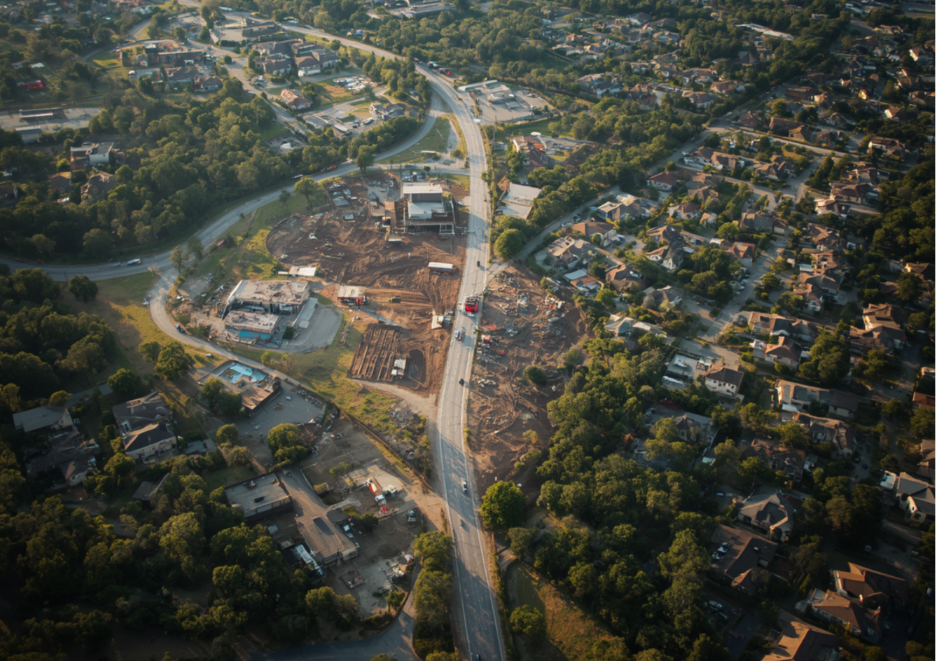
Here's where we come in, and it's not as a latecomer. We're asset-agnostic on purpose, which means we don't chase a sector because it's hot. We go where the demand is durable and where knowing the specific submarket is an edge. Build-for-rent checks both boxes in the right corners of Texas, and we were building for that renter before the capital showed up. Our build-for-rent community in Manor, a 38-acre neighborhood designed around trail networks, green space, and modern lifestyle amenities, was created for exactly the family this national wave is now chasing. We didn't need a headline to see that demand. We needed to know the corridor.
Where the Edge Lives
That's also where the discipline lives. Build-for-rent rewards the same thing flex and industrial reward: getting the specific location right. The winning submarket is the growth suburb where household formation is genuinely outrunning housing, not the metro that's already absorbing a flood of new rental product at once. Institutional capital tends to pile into the obvious names. The operator who knows which Texas corridor is actually under-housed, and which one just looks good on a population chart, is the one who ends up with occupancy and rent growth instead of a lease-up fight.
So we'll stay honest about it. Not every build-to-rent submarket is a green light, and some metros are digesting a lot of supply at the same time. This is not a sector to buy in bulk any more than industrial is. It's a sector to buy precisely, in the specific places where the demand is real and the local read is ours to have. That's the whole job.
The Moment Will Pass. The Renter Won't.
Build-for-rent is trendy right now. It won't always be. What will last is the Texan who keeps moving here, forming a household, and wanting a home with a yard without a mortgage at six-point-something percent. We were building for that family in Manor before the capital arrived, and we'll keep going where the demand is durable and the local knowledge is the edge. The moment will pass. The renter won't.

.jpeg)

PlaceMKR is a strategic investment firm specializing in investing and developing high-potential real estate opportunities across Texas. Our nimble, multi-faceted approach and deep market expertise allow us to create outsized returns through uncommon investments.
- Email:opportunity@placemkr.com
- Phone:(512) 593-1942
- Address:1643 E 2nd Street, Austin, TX 78702
