
Decision Velocity: Why Speed Matters More Than Certainty


In commercial real estate, the best opportunities rarely wait for perfect information. Markets move, pricing adjusts, and by the time certainty arrives, advantage is often gone.
That doesn’t mean moving recklessly. It means understanding the difference between informed judgment and false precision and building a decision process that values momentum without sacrificing discipline.
The Illusion of Certainty
Most investment decisions feel unfinished when they’re made. There are always variables that can’t be fully resolved: future rate movements, tenant behavior, construction costs, capital markets.
Waiting for all of that to settle doesn’t reduce risk. It just shifts it—from market risk to opportunity risk.
We’ve found that deals are rarely lost because of what wasn’t known. They’re lost because decisions came too late.
Decision Velocity vs. Decision Quality
Speed gets a bad reputation in real estate. It’s often associated with shortcuts or under-analysis. In practice, the opposite is true.
High decision velocity is a byproduct of clarity, not haste. When criteria are well-defined and judgment is sharpened, decisions happen faster because fewer debates are necessary.
The work happens before the deal shows up.
What Enables Faster Decisions
Decision velocity isn’t about rushing. It’s about preparation.
A few things make speed possible without compromising quality:
- Clear investment parameters that don’t change deal to deal
- Shared understanding of risk across the team
- Repeatable underwriting and diligence processes
- Trust in judgment developed through experience
When those are in place, execution becomes natural rather than forced.
Where Slowness Becomes Risk
In volatile markets, hesitation carries its own cost.
Sellers favor certainty. Brokers reward responsiveness. Partners remember who can execute. When timing matters, the ability to move decisively often determines access, not just pricing.
Over time, consistent execution creates its own advantage. Opportunities start finding you rather than the other way around.
Texas as a Case Study
Texas markets reward decisiveness.
Rapid population growth, evolving submarkets, and active capital flows mean windows open and close quickly. The firms that perform best aren’t necessarily the most aggressive, but they are the most prepared.
Knowing when to move, and when not to, is what separates speed from recklessness.
Speed Is a Discipline
Decision velocity doesn’t replace rigor. It depends on it.
The goal isn’t to eliminate uncertainty. It’s to recognize when additional information won’t materially change the outcome—and to act with conviction when that moment arrives.
In our experience, the strongest returns don’t come from waiting for perfect clarity. They come from moving with intention when the picture is clear enough.
In competitive markets, speed isn’t a luxury. It’s a strategic advantage.

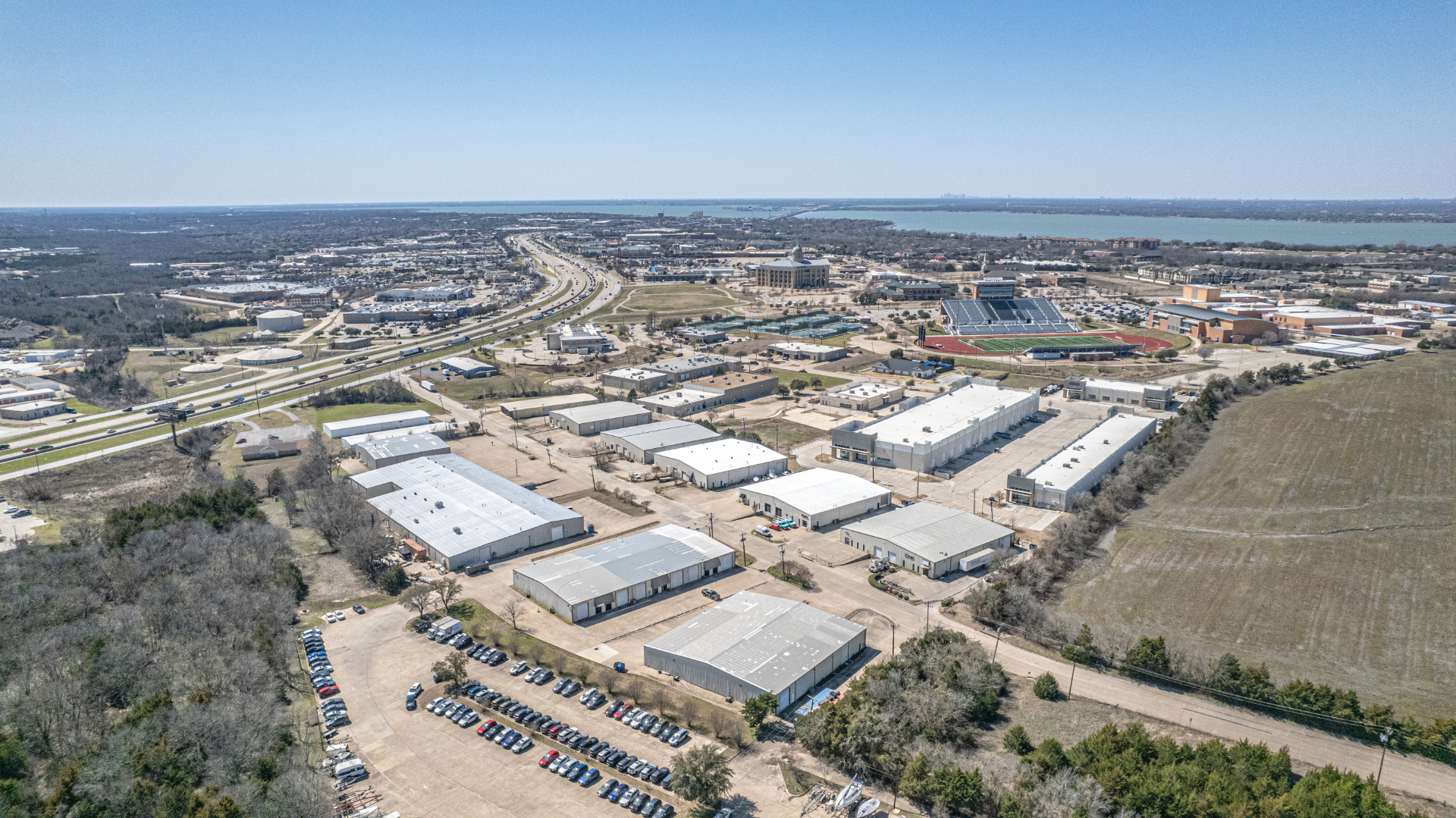


PlaceMKR is a strategic investment firm specializing in investing and developing high-potential real estate opportunities across Texas. Our nimble, multi-faceted approach and deep market expertise allow us to create outsized returns through uncommon investments.
- Email:opportunity@placemkr.com
- Phone:(512) 593-1942
- Address:1643 E 2nd Street, Austin, TX 78702
