
Houston Has Two Vacancy Rates. Both Are Right.

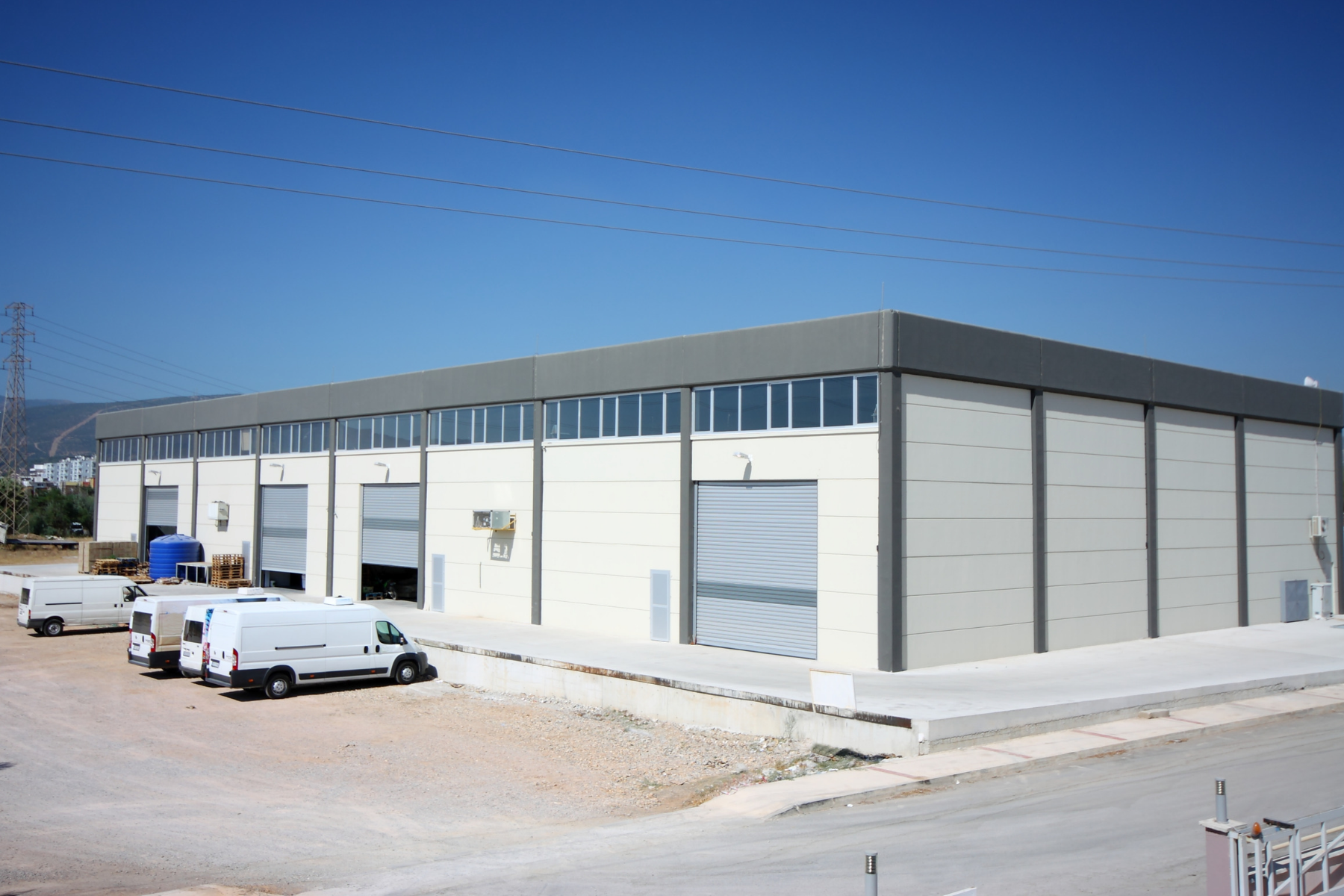
If you read two Houston industrial reports this fall, you could have walked away with opposite conclusions. One says Houston just had its best leasing quarter in three years and vacancy is falling. Another says vacancy is rising, rents are falling at the fastest pace since 2010, and landlords are handing out months of free rent. Same city, same quarter. We don't think either report is wrong. We think the gap between them is the most useful thing in both.
Report One: The Market Is Tightening
CBRE's third-quarter numbers, as reported by CRE Daily, are strong. Houston industrial tenants signed 14.7 million square feet of leases over 50,000 square feet in Q3, the best quarter in three years. Year-to-date leasing reached roughly 32 million square feet. Net absorption from April through September totaled 14.2 million square feet, the strongest back-to-back run since late 2022. CBRE puts vacancy at 6.3%.
The Southeast submarket led the quarter with 2.3 million square feet of absorption. Year-to-date net absorption reached 18 million square feet, ahead of the 15.8 million recorded at the same point in 2025.
Avison Young's Q2 report pointed the same way, with 5.8 million square feet of positive absorption and big move-ins from users like Applied Optoelectronics and QTS. Prologis told investors on its Q3 call that Houston is among the markets leading U.S. demand.
Report Two: The Market Is Softening
Now the other read. Oxford Partners' Q3 report, drawing on CoStar data, describes five straight quarters of new supply outpacing demand. It puts Houston industrial vacancy at 7.4%, about 100 basis points above its 10-year average. CoStar projects another 60 basis points of increase before vacancy peaks in early 2027. Asking rents fell 1.6% year over year to $9.45 per square foot, the steepest decline since 2010. Landlords are commonly offering four to six months of free rent on five-year deals.
That report also counts a 28.8 million-square-foot construction pipeline, second in the country behind DFW, with about 75% of it still available. CBRE counts 18.4 million square feet under construction across 90 projects, 31% pre-leased. Avison Young's Q2 report put it at 20.5 million. Three firms, three pipeline numbers. Even the supply side depends on who's counting.

Why Both Can Be True
Research firms don't all measure the same market. They draw different lines around which buildings count, what size range they track, and how they treat owner-occupied space. CBRE's leasing figure, for example, only counts deals over 50,000 square feet. Change the definition and you change the answer.
But the bigger reason is that Houston isn't one market. Large tenants are absorbing large blocks of space, which drives strong absorption numbers. At the same time, a lot of new speculative space is still delivering, much of it unleased, which pushes vacancy up and forces concessions on new product. Both things are happening at once, often in different submarkets and different building types.
That's exactly the point we made in August: there's no such thing as a single Texas industrial market anymore. Houston is the clearest example.
Where the Leverage Is
For a buyer, the split creates a specific opportunity. New spec buildings competing for tenants with free rent are under real pressure. Their owners are carrying construction debt in a 5% rate environment while waiting on lease-up. CBRE itself calls financing costs and 5% Treasury yields the main headwind for the Houston market. Meanwhile, functional existing buildings in established corridors are leasing to tenants who need space now and can't wait for a build-out.
We want to own the second kind and keep an eye on the first. Spec owners under pressure sometimes become sellers, and a modern building bought from a motivated owner at the right basis can be a great deal. The key is knowing which submarket and which building, not which average.
Our Houston View Hasn't Changed
We doubled down on the Gulf Coast in May, and we're still there. Our advanced manufacturing campus on Rankin Road in North Houston sits in a corridor where manufacturing and energy demand keep showing up. Nothing in this fall's reports changes that thesis. If anything, the gap between the reports confirms it. The averages are noisy. The buildings that do real work, in the corridors where real companies operate, keep leasing.
Read the Footnotes
The next time two reports disagree, don't pick one. Read the methodology, then look at which buildings are driving each number. That's usually where the opportunity is hiding.



PlaceMKR is a strategic investment firm specializing in investing and developing high-potential real estate opportunities across Texas. Our nimble, multi-faceted approach and deep market expertise allow us to create outsized returns through uncommon investments.
- Email:opportunity@placemkr.com
- Phone:(512) 593-1942
- Address:1643 E 2nd Street, Austin, TX 78702
