
Houston's Industrial Momentum: Why We're Doubling Down on the Gulf Coast


Houston's industrial market is not just recovering. It is accelerating.
In the first quarter of 2026, the market posted 3.7 million square feet of positive net absorption, extending Houston's 16-year streak of uninterrupted occupancy gains. Leasing activity reached 8.2 million square feet in Q1 alone, including three deals exceeding 500,000 square feet. The development pipeline has made a V-shaped recovery to 22.9 million square feet under construction, and JLL expects the Houston market to absorb 20 million square feet or more this year. Commercial Observer + 3
These are not the numbers of a market finding its footing. These are the numbers of a market in full stride.
What Is Driving the Momentum
Houston's industrial tenant base is one of the most diversified in the country. Manufacturing accounted for 21% of Q1 deal activity, up significantly from less than 5% between 2020 and 2022, reflecting the long-term presence of manufacturers tied to onshoring trends. Logistics and distribution, third-party logistics, retail, energy, and plastics and packaging round out the demand mix. Avison Young
As JLL's Texas Research Director Rachel Alexander noted, what makes developers, capital, and occupiers comfortable with Houston is that "it has so many different forces that are driving it." That diversity provides resilience: if one sector softens, others absorb the slack. Avison Young
The data center buildout supply chain is emerging as a particularly notable demand driver, with firms like T1 Energy and Sanmina making significant new commitments that reflect the intersection of Houston's power infrastructure and advanced manufacturing capabilities. This is demand that did not exist at meaningful scale three years ago and is now reshaping leasing activity in specific corridors. Cushman & Wakefield
Port Houston posted record traffic in 2025, and the region led the nation in population growth from July 2024 to July 2025. These macro tailwinds support the industrial fundamentals from multiple angles simultaneously. Avison Young
The Submarket Story
Houston's metro-wide numbers are strong, but the submarket-level data is where the real picture emerges.
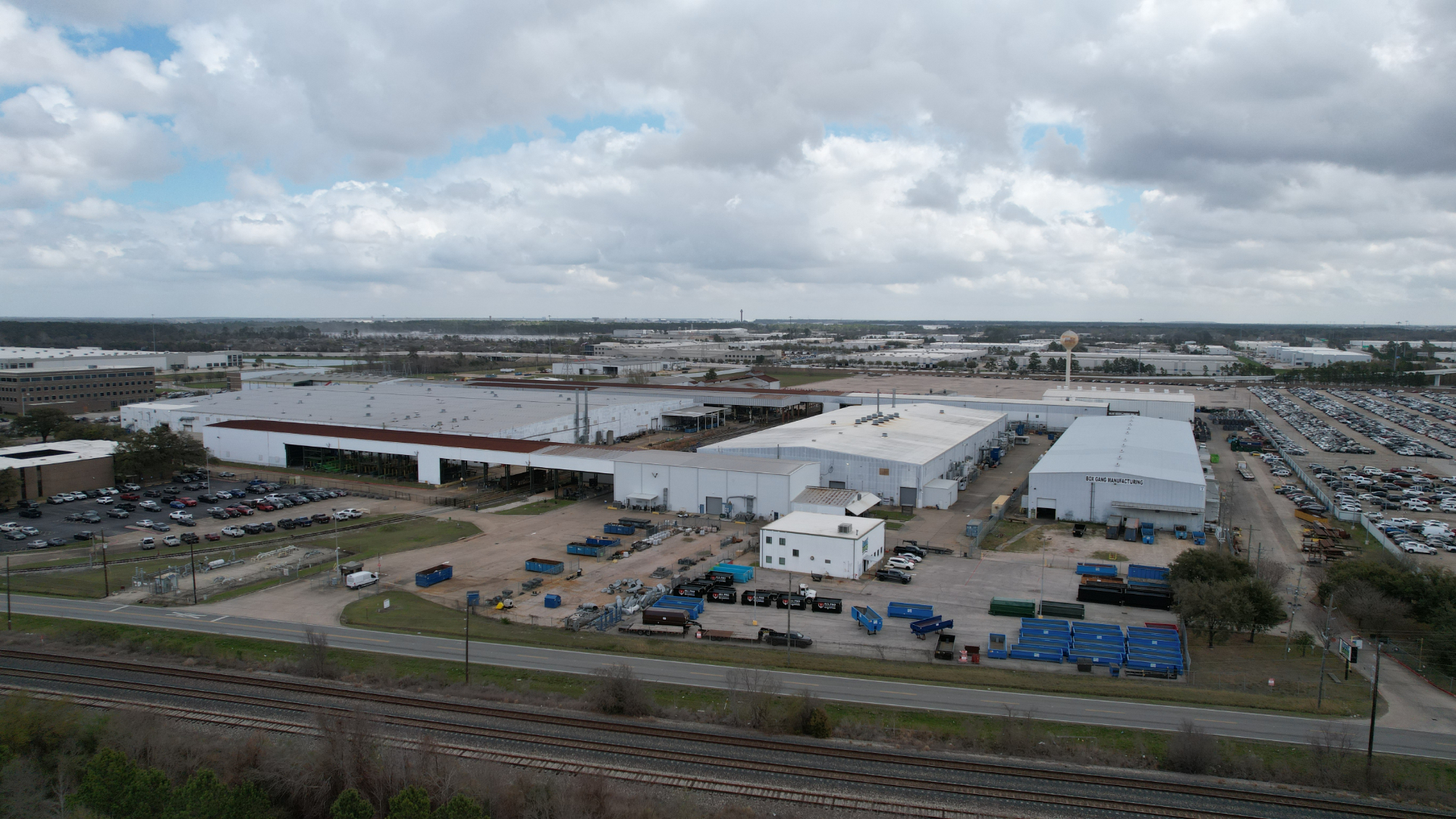
In Q1 2026, the North submarket absorbed over 1 million square feet, making it one of the top-performing corridors in the region. This is the corridor where our 1310 Rankin Road campus sits, near George Bush Intercontinental Airport with direct access to Hardy Toll Road, I-45, and Beltway 8. The demand we are seeing at the submarket level validates the infrastructure-first thesis that drove our acquisition. Commercial Observer
Key tenant moves in Q1 included Panelmatic occupying 728,000 square feet at WestPoint 45 and Maplewood Industrial taking 660,000 square feet at Port 10 Logistics Center. The scale and diversity of these commitments reflect a market where tenants are making long-term decisions with conviction. Commercial Observer
Why Specialized Assets Are Outperforming
Houston's industrial vacancy reached 7.4% in Q1 2026, with the increase driven largely by new deliveries of speculative, large-format logistics properties. But that headline number obscures an important distinction. Buildium
The vacancy pressure is concentrated in commodity big-box product, where tenants are shifting to newer space and older properties are facing headwinds. In contrast, specialized industrial assets — crane-served manufacturing space, facilities with heavy power infrastructure, campuses with functional configurations for advanced manufacturing — remain extraordinarily tight. Buildium
This bifurcation is the key insight for investors evaluating Houston. The market is not uniformly strong or uniformly challenged. It is rewarding specificity. Assets with infrastructure advantages that cannot be easily replicated are commanding premiums and experiencing faster lease-up. Commodity product in oversupplied submarkets is competing on concessions.
The 40 MW on-site substation at 1310 Rankin Road is a direct example of the kind of infrastructure differentiation that positions an asset on the right side of this divide. You cannot replicate a 40 MW substation on an infill campus. That scarcity is durable, and it is what underpins our conviction in the asset.
Capital Is Paying Attention
In Q1 2026, 372 industrial and flex properties totaling 11 million square feet changed hands in the Houston market, with an average capitalization rate of 7.0%. Investment activity is healthy and growing, reflecting broader confidence in the market's fundamentals. Commercial Observer
Developers are responding with a more risk-on approach. Speculative development now makes up 78% of the construction pipeline, up from 66% in Q1 2024. That increased willingness to build speculatively is a strong signal of developer confidence in sustained demand. Cushmanwakefield
Why We Are Here
At PlaceMKR, our acquisition of the 1310 Rankin Road campus was a deliberate bet on Houston's specialized industrial corridor, and the market's performance through the first half of 2026 has validated that thesis faster than we projected. The demand drivers — manufacturing reshoring, data center supply chain buildout, port activity, population growth — are structural, not cyclical. And the specific submarket where we are positioned is benefiting disproportionately from those tailwinds.
Houston is not a market we stumbled into. It is a market we chose because the infrastructure advantages, tenant diversity, and submarket dynamics align precisely with how we deploy capital. We expect to be active here for a long time.
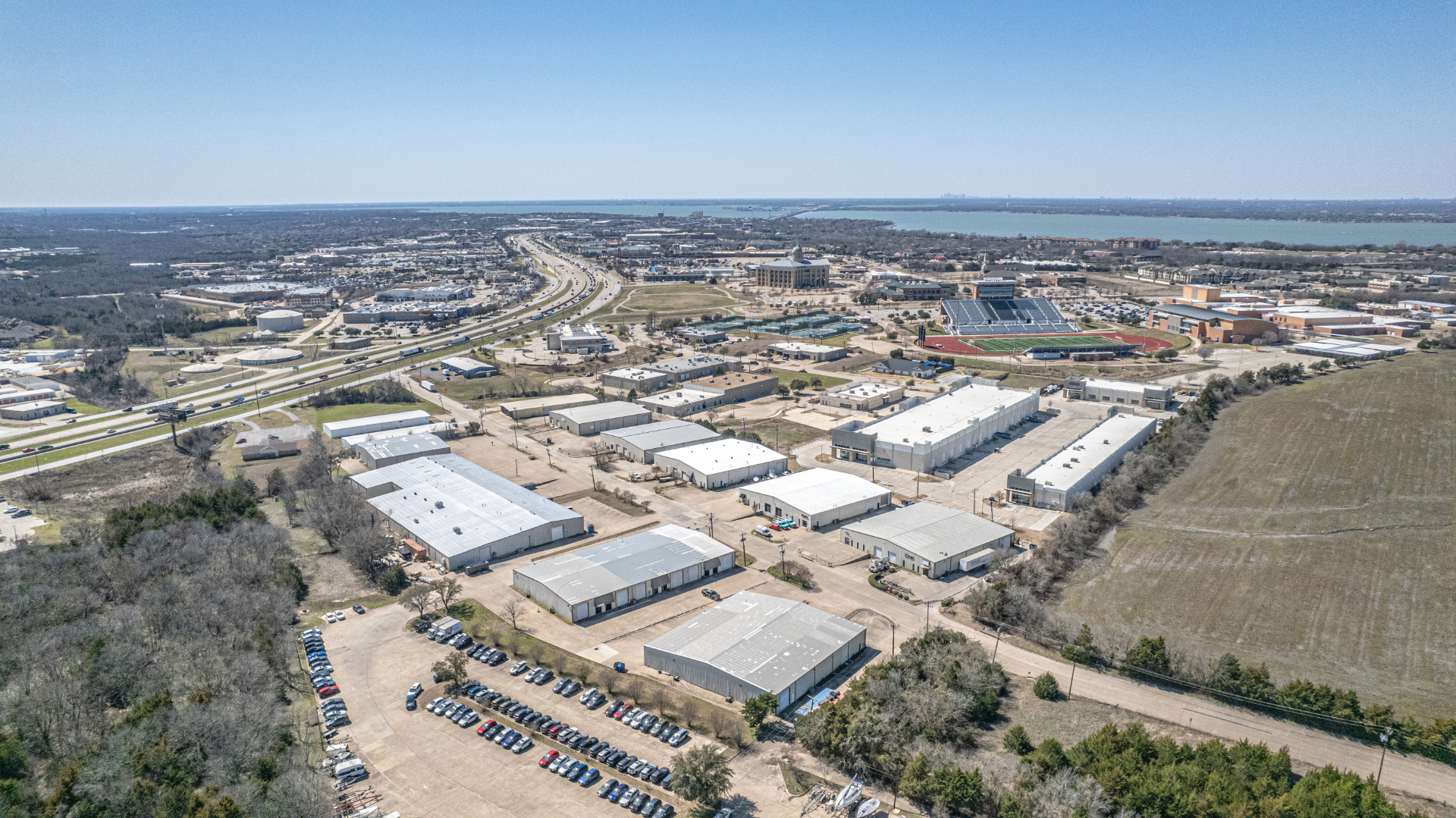
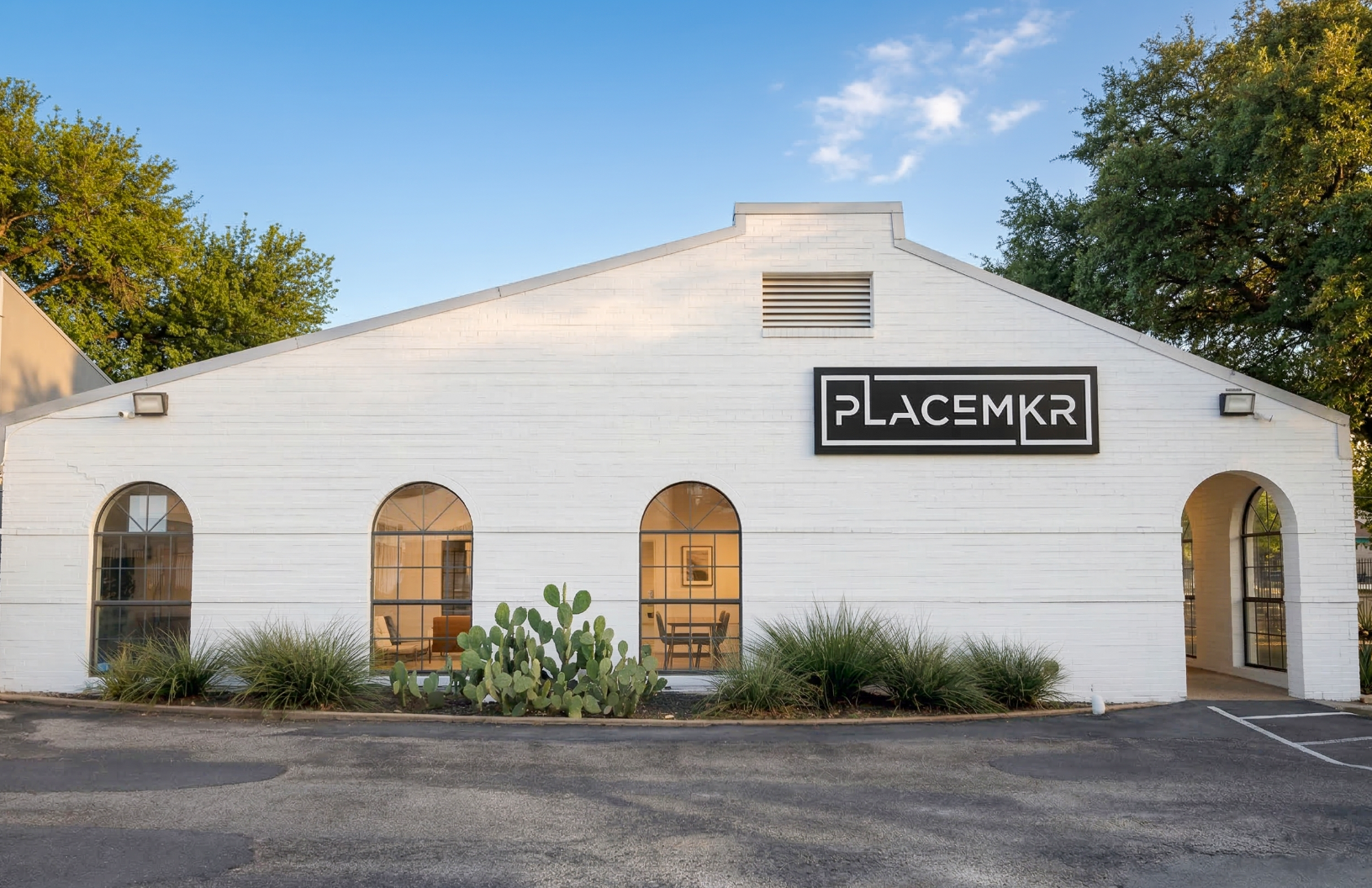
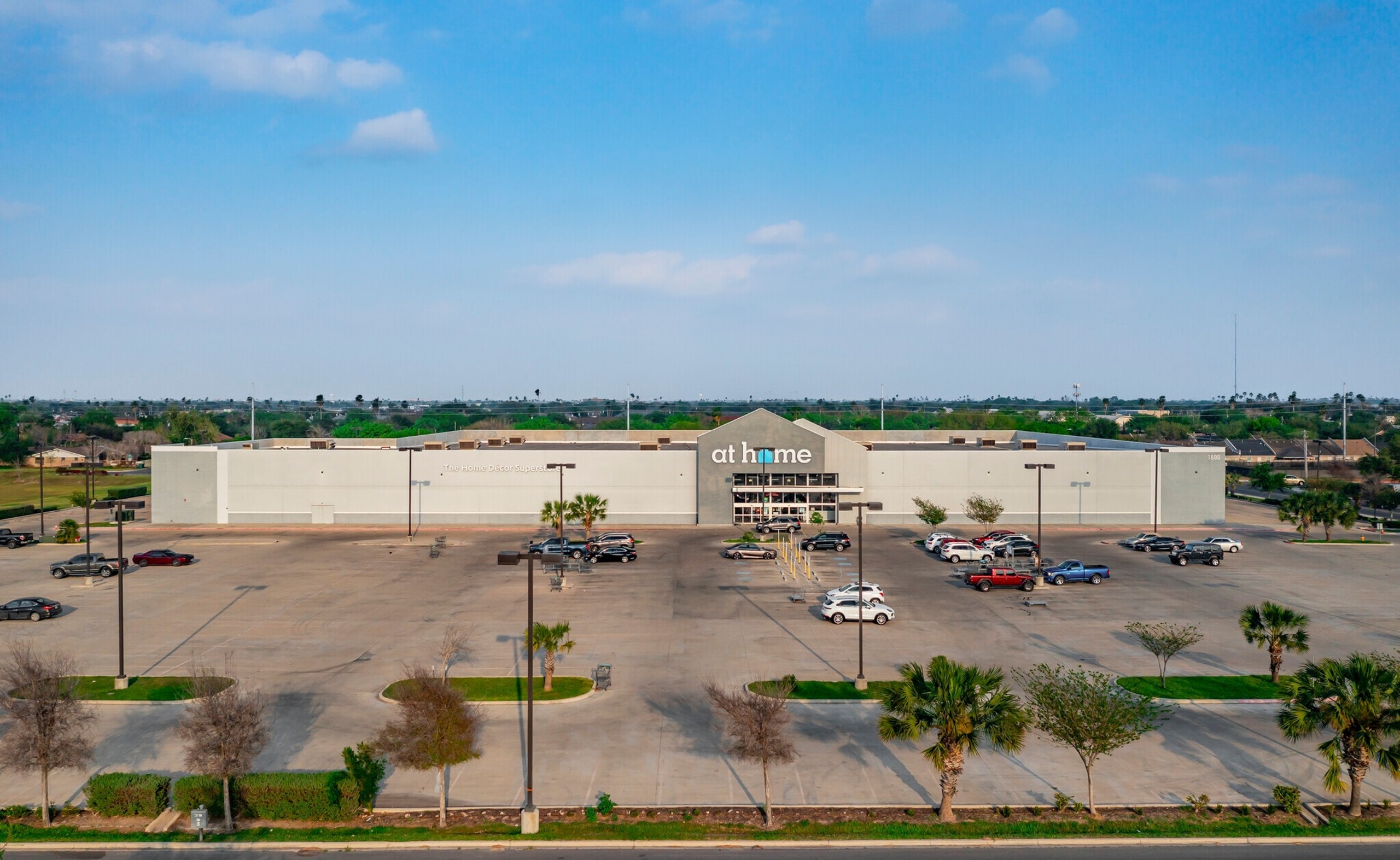

PlaceMKR is a strategic investment firm specializing in investing and developing high-potential real estate opportunities across Texas. Our nimble, multi-faceted approach and deep market expertise allow us to create outsized returns through uncommon investments.
- Email:opportunity@placemkr.com
- Phone:(512) 593-1942
- Address:1643 E 2nd Street, Austin, TX 78702
