
The Data Says Old Buildings Are Dying. We Disagree.

There's a chart making the rounds in DFW industrial circles, and it reads like an obituary for older buildings. Since 2023, every square foot of positive demand in the metro has gone to newer product. The takeaway most people draw is simple: modern wins, old loses, buy new. We think that's half right. The wrong half is where we make our living.
What the Numbers Say
Newmark's latest DFW industrial report makes the case plainly. Since 2023, buildings under 20 years old have absorbed all of the market's net new demand, about 115 million square feet. Buildings older than that have lost occupancy on net.
We're not going to argue with that. We're going to argue with what people do with it.
New Was Never a Guarantee
The same report shows something the chart leaves out: newer buildings also have the highest vacancy of any age group in DFW. That makes sense. The market took delivery of a huge wave of new space over the last few years. Tenants moved in, and a lot of it still sat empty. Both were true at once.
That wave is now mostly spoken for. DFW vacancy fell to 7.3% in the third quarter, its lowest in three years, according to Cushman & Wakefield. As the newest space fills up, tenants who need room now will have fewer brand-new options and more reason to look at what's already standing.
Age Is the Wrong Filter
The real question about an older industrial building isn't the year it was built. It's whether it still works for the tenant who needs it. Clear height, truck court, doors, power, parking, and location decide whether a business can operate there. And "works" depends on who the tenant is. A national e-commerce operator needs 36-foot clear heights and a deep truck court. A local contractor, fabricator, or service business needs a drive-in door, a yard, and a short drive to its customers.
The national picture points the same way. CBRE noted this year that fewer move-outs from older buildings, along with more renewals, helped tighten industrial availability. Smaller, older, well-located buildings aren't losing demand. They're getting harder to replace.
Why It Matters More at 5%
With the 10-year Treasury hovering around 5%, building new is harder to justify. Fewer new buildings means the ones already standing are worth more, and a functional building bought below replacement cost has a margin of safety no new project can match.
What We Actually Buy
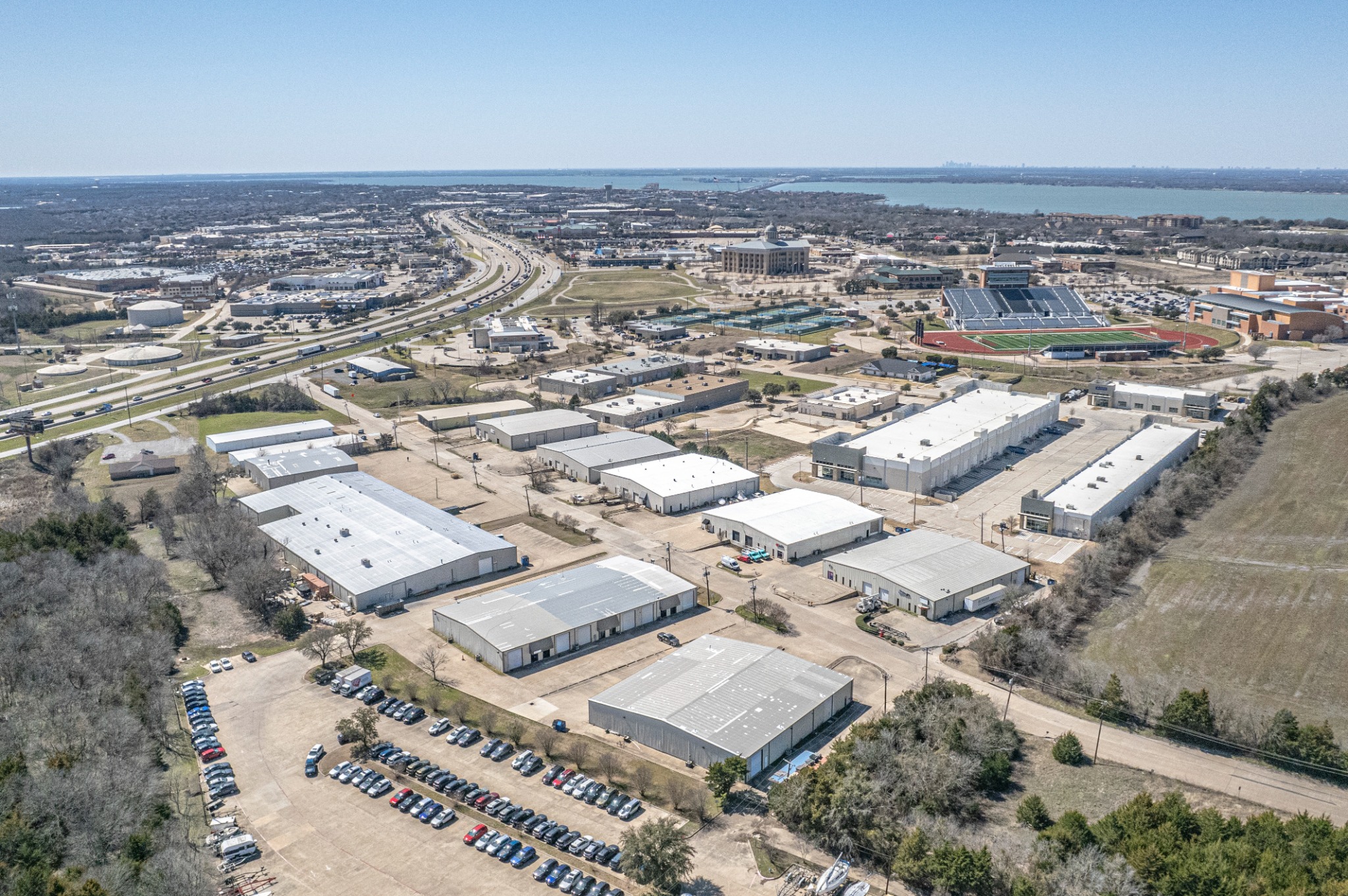
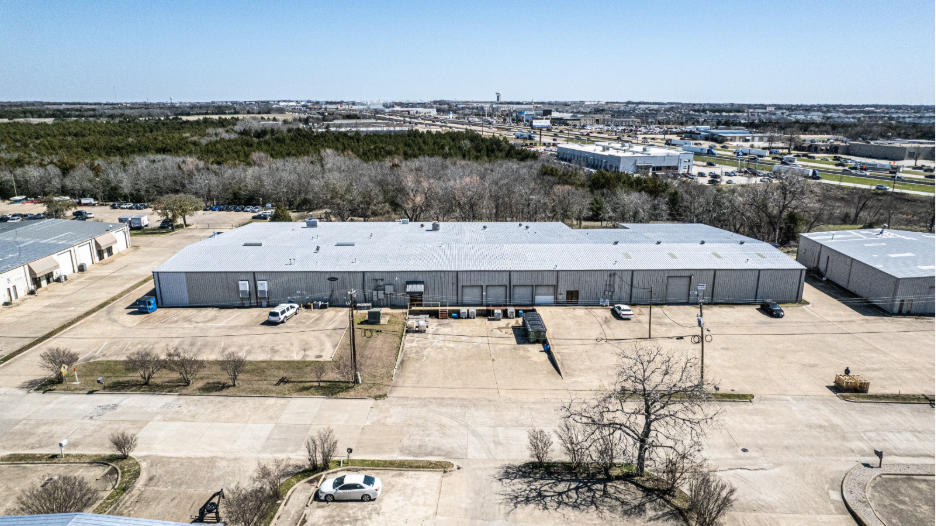
This isn't theory for us. Late last year, we made our first DFW acquisition: the Industrial Boulevard portfolio in Rockwall. It's 10 buildings and about 325,300 square feet on 21 acres, built between 1976 and 1997. The buildings are metal construction, with clear heights of 16 to 24 feet. By the age-chart logic, it's exactly what the market should be fleeing.
The market didn't flee. The portfolio was fully leased when it came to market, and its tenants had been there for an average of more than 10 years. The reason is supply. New development in Rockwall has focused on big-box tilt-wall buildings that aren't easily divided for smaller service-industrial tenants. Our portfolio offers 28 drive-in doors, 22 dock-high doors, and buildings from 10,000 to 163,000 square feet. That's space a growing local business can actually use, and it's getting scarce.
What we pass on matters just as much. If a building has no realistic path to serve the tenants in its own submarket, we don't care how cheap it is. Age didn't make that building obsolete. A mismatch with demand did.
Sort by Function, Not Vintage
As the new-construction wave gets absorbed and fewer new buildings break ground, the market will spend the next year sorting industrial property into winners and losers. Most of it will sort by age, because that's the easiest column to filter. We'll be sorting by function, and buying the good older buildings the age-filter crowd throws out.




PlaceMKR is a strategic investment firm specializing in investing and developing high-potential real estate opportunities across Texas. Our nimble, multi-faceted approach and deep market expertise allow us to create outsized returns through uncommon investments.
- Email:opportunity@placemkr.com
- Phone:(512) 593-1942
- Address:1643 E 2nd Street, Austin, TX 78702
