
When the Tenant Buys the Building


This week, a Dallas industrial park changed hands. The buyer wasn't a fund, a REIT, or another landlord. It was the tenant. That's a small deal with a big message for anyone who owns or buys industrial real estate in Texas: your next competitor at the table might be the company already paying you rent.
What Happened
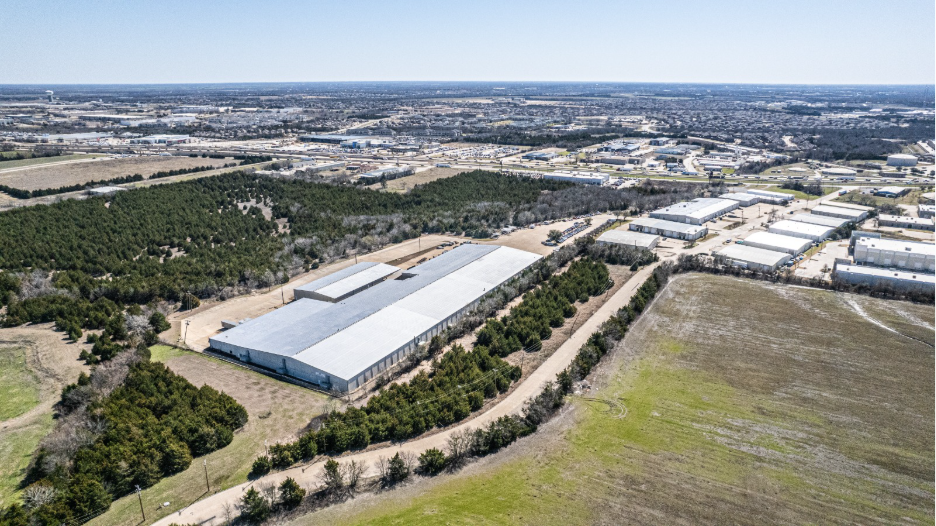
CIP Real Estate, an industrial investor based in California, sold Northgate Business Park in Dallas to VectorNav Technologies. The property is about 86,500 square feet across three buildings on 5.8 acres. VectorNav already occupied two of the buildings. A second tenant, Stratus Systems, leases the third.
In other words, VectorNav bought its own space, plus a building with a tenant in it. It went from paying rent to collecting it.
Why Companies Are Buying
There are good reasons a growing company would rather own. It locks in occupancy costs for the long term. It gives the company full control over improvements, expansions, and specialized buildouts. And it protects against a landlord selling to someone with different plans.
For some users, there's a tax reason too. Federal rules adopted last year let qualifying manufacturers deduct the full cost of a production building in the first year, but only if they own it. A landlord leasing to a manufacturer can't take that deduction. Not every owner-user will qualify, and every company should talk to its own tax advisor. But the rule tilts the math toward owning for a whole class of tenants.
What It Means for Investors
Owner-users buy differently than investors do. An investor prices a building on its rent and its cap rate. A user prices it on what it's worth to the business: no moving costs, no disruption, and a facility built around how they actually work. That often lets a user justify a higher price than an investor would for the same building.
That creates two realities at once. For buyers, owner-users are tougher competition on functional, well-located industrial. For owners, they're a second exit. A building that only appeals to investors has one pool of buyers. A building that also works for a user has two.
How We Think About It
We buy buildings that work for the businesses inside them. That's usually the same thing that makes a building attractive to an owner-user someday. Clear heights, power, yard space, good access, and room to expand matter to both.
So we don't see owner-users as a threat. We see them as proof that the buildings we target hold real value beyond the rent roll. And when a tenant's best move is to own its space, that's a conversation worth having, not avoiding.
The Tenant Is Also a Buyer
Northgate won't make many headlines. But it's a clean example of a trend worth watching across Texas. The companies that need functional industrial space are increasingly willing to own it. Investors who understand that will price deals better and find more ways out.



PlaceMKR is a strategic investment firm specializing in investing and developing high-potential real estate opportunities across Texas. Our nimble, multi-faceted approach and deep market expertise allow us to create outsized returns through uncommon investments.
- Email:opportunity@placemkr.com
- Phone:(512) 593-1942
- Address:1643 E 2nd Street, Austin, TX 78702
