
The Mandate Trap: Why Unconstrained Capital Is Winning 2026


There is a quiet crisis unfolding within massive institutional real estate funds right now. It is not a lack of capital, and it is not a lack of talent. The problem is structural, and it is baked into the very way these funds are designed.
Call it the mandate trap.
How Rigid Mandates Become Fatal Flaws
When a multi-billion-dollar institutional fund raises capital, it typically does so with a rigid set of rules. They promise their LPs that they will deploy the funds into a highly specific bucket—"Sunbelt Class-A Office," "Core-Plus Multi-Family," or "Industrial Value-Add in Top 20 MSAs." In a stable, predictable decade, that specialized mandate is a feature. It gives LPs clarity on what they are buying, and it gives fund managers a defined lane to operate in.
But the past three years have not been stable or predictable. The macroeconomic shifts have been violent. Asset classes that were bulletproof 36 months ago are now deeply distressed, while previously niche plays have become the most valuable opportunities on the board. And here is where the mandate trap snaps shut.
If a fund raised $1 billion for a specific asset class before the market shifted, they are still contractually obligated to deploy that capital into that asset class today. The market moved. The thesis broke. But the mandate did not change. They are forced to keep buying into a broken thesis because a commitment made three years ago says they must.
The Real Cost of Forced Deployment
This is not a hypothetical problem. It is playing out across the institutional CRE landscape right now.
Funds mandated to deploy into office are acquiring assets in a sector experiencing structural demand destruction from remote work. Multifamily-focused funds are competing for deals in markets still absorbing record 2023-2024 deliveries, paying prices that only work if rent growth returns on a timeline that is far from guaranteed. Industrial mandates are chasing logistics assets at compressed cap rates in markets where the supply pipeline has already eroded the fundamentals.
In each case, the fund manager may privately acknowledge that the best risk-adjusted opportunities are elsewhere. But their mandate will not let them pivot. The capital must go where the spreadsheet says it goes, not where the market says it should.
The result is predictable: overpayment for mediocre assets, underperformance against benchmarks, and LP frustration that compounds over the fund lifecycle. The irony is that the discipline that made institutional real estate investing credible—defined mandates, clear guardrails, predictable deployment—has become the very thing undermining returns in a market that refuses to behave predictably.

Why Unconstrained Capital Has the Edge
The firms outperforming in this environment share a common trait: they are not locked in.
Unconstrained capital—deployed by firms that can pivot across asset classes, geographies, and strategies based on real-time market conditions—has a structural advantage that is impossible to replicate within a rigid mandate framework. When the grid bottleneck creates outsized opportunities in high-power industrial, unconstrained capital can move there. When replacement cost dynamics create compelling adaptive re-use plays, unconstrained capital can move there too. When portfolio stability is the priority, a net lease acquisition provides ballast without requiring a separate fund or a new mandate.
This is not about being reckless or undisciplined. Unconstrained does not mean unfocused. The best operators in this space have rigorous underwriting standards, deep market knowledge, and clear investment criteria. What they lack—deliberately—is the structural handcuff that forces them to deploy capital into the wrong asset class at the wrong time simply because a document signed three years ago demands it.
Taking the Playbook Nationwide
At PlaceMKR, this unconstrained approach is foundational to how we operate. It is also central to why we have expanded our acquisition strategy beyond Texas this year. The opportunities created by market dislocations are not confined to a single state, and neither is our capital.
But expanding geographically does not mean abandoning what works. We are applying the same relationship-driven, infrastructure-first underwriting that built our Texas portfolio to new markets—not spraying capital across the country to hit a deployment number. The difference between geographic expansion and geographic dilution comes down to whether you are following real opportunities or filling a spreadsheet. We intend to keep following the opportunities.

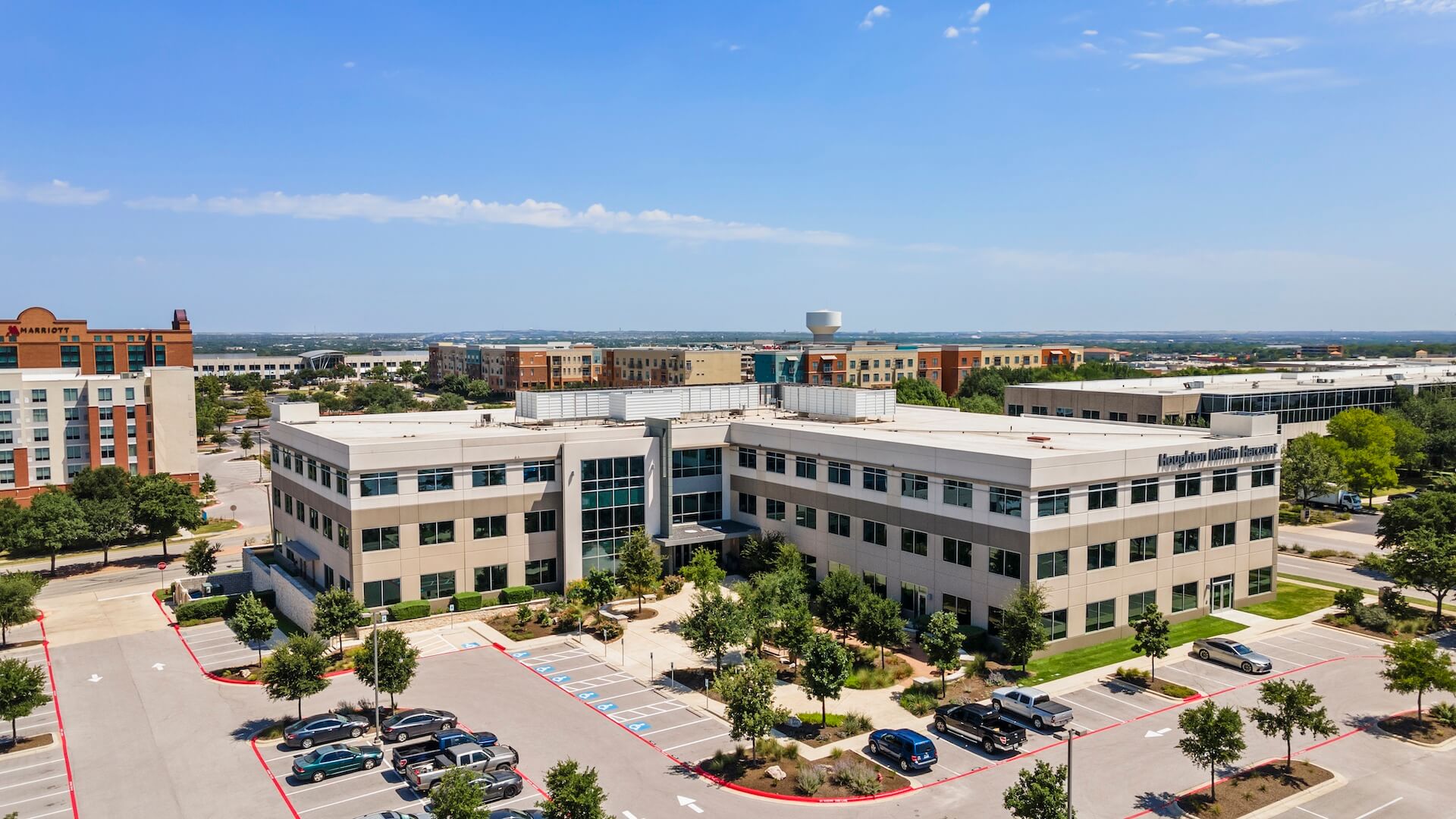


PlaceMKR is a strategic investment firm specializing in investing and developing high-potential real estate opportunities across Texas. Our nimble, multi-faceted approach and deep market expertise allow us to create outsized returns through uncommon investments.
- Email:opportunity@placemkr.com
- Phone:(512) 593-1942
- Address:1643 E 2nd Street, Austin, TX 78702
