
Toyota Just Proved the Tariff Thesis

.png)
In 2020, Toyota looked at its North American production map and bet on Mexico, shifting work south of the border. In July 2026, it reversed the bet. The company announced a $3.6 billion expansion of its San Antonio operation, pulling Tacoma assembly back from Baja California over the next few years, according to Bisnow's reporting. Set the dollar figure aside for a second. That reversal is the entire tariff thesis, stated in concrete and steel.
From a Forecast to a Fact
We wrote about nearshoring last summer, back when the demand was still mostly a forecast: absorption climbing in the border and South Texas corridors, a manufacturing shift we could see forming on the horizon. The honest thing to say now is that a forecast is easy to wave off. This isn't a forecast. When a company that chose Mexico six years ago chooses Texas today, and points directly at the math for doing it (vehicles assembled in Mexico now carry a 25% tariff on their non-U.S. parts), the trend stops being something we're predicting and becomes something we're watching happen.
Toyota Isn't Alone
Around the same time, reporting out of the Austin Business Journal had Tesla leasing a 682,000-square-foot building in Austin, pushing its greater-Austin industrial footprint toward 3 million square feet. Analysts covering the Toyota move, per Fastmarkets, described it as shifting steel and auto-parts demand from Mexico back into the U.S. And underneath the marquee names is a structural number worth sitting with: the Texas A&M Real Estate Research Center estimates roughly a quarter of all industrial space absorption in the state is now tied to manufacturing. This is trade policy translating into square footage.
Read the Foundation, Not the Press Release
Here's the read that the headline itself misses, and it's the part we actually get paid for. Policy is volatile. Tariffs change, courts weigh in, regimes turn over. So the useful question is never "is this tariff good policy." That's not our lane, and it's not knowable on any timeline that helps you underwrite a building. The useful question is: which of these policy-driven demand shifts are durable enough to bet real money on?
The tell is capital in the ground. A press release about reshoring intentions is reversible. Companies announce things and quietly unwind them all the time. A $3.6 billion plant, tooled up, staffed, with a supplier base organizing around it, is a decade-plus commitment that doesn't reverse on the next news cycle. Toyota didn't post about Texas. It's pouring concrete in San Antonio. That's the difference between a headline you trade on and a demand signal you underwrite against.
The Demand Side of the Same Coin
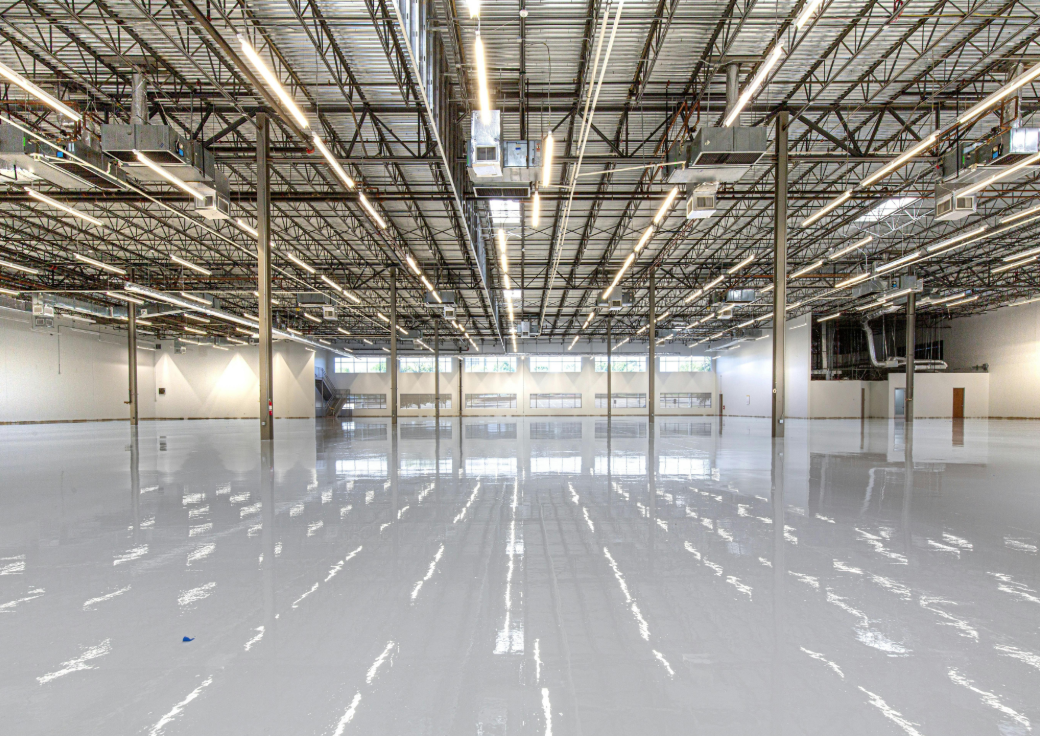
This is the demand-side companion to something we've argued before. We've written about what tariffs do to the cost of building, how they push ground-up economics past the point where new construction pencils, which makes existing assets more valuable. This is the other half of the same coin. Tariffs aren't only raising what it costs to build. They're relocating who needs space and where they need it. One dynamic constrains supply. The other redirects demand. Both point at the same conclusion, and both are getting stronger, not weaker.
What We Underwrite
So while the market treats each tariff announcement as a stock-ticker event to react to, we're watching the slower thing underneath: which supply chains are physically restructuring, and where that restructuring lands on the ground. The announcement is loud and often reversible. The plant, and the space its ecosystem requires, is quiet and sticky. We don't need a house view on trade policy to act on the second one. We need to know, at the local level, which manufacturers are genuinely committing, what that does to a specific submarket, and which buildings the committed production will actually occupy.
Keep the discipline, because policy-driven demand cuts both ways. Demand built on a policy that reverses can soften as fast as it appeared. The durable bets are the ones where the capital is already sunk into the dirt: the plant tooled, the workforce hired, the suppliers committed. Intentions are cheap. Foundations aren't. We underwrite the foundation.
Toyota spent six years and $3.6 billion telling the market where this is heading, and it did it by changing its own mind in the most expensive way possible. The opportunity here was never trading the tariff headlines. It's owning the space the reshoring actually requires, quietly and locally, ahead of the crowd still arguing about whether the policy will last.


PlaceMKR is a strategic investment firm specializing in investing and developing high-potential real estate opportunities across Texas. Our nimble, multi-faceted approach and deep market expertise allow us to create outsized returns through uncommon investments.
- Email:opportunity@placemkr.com
- Phone:(512) 593-1942
- Address:1643 E 2nd Street, Austin, TX 78702
